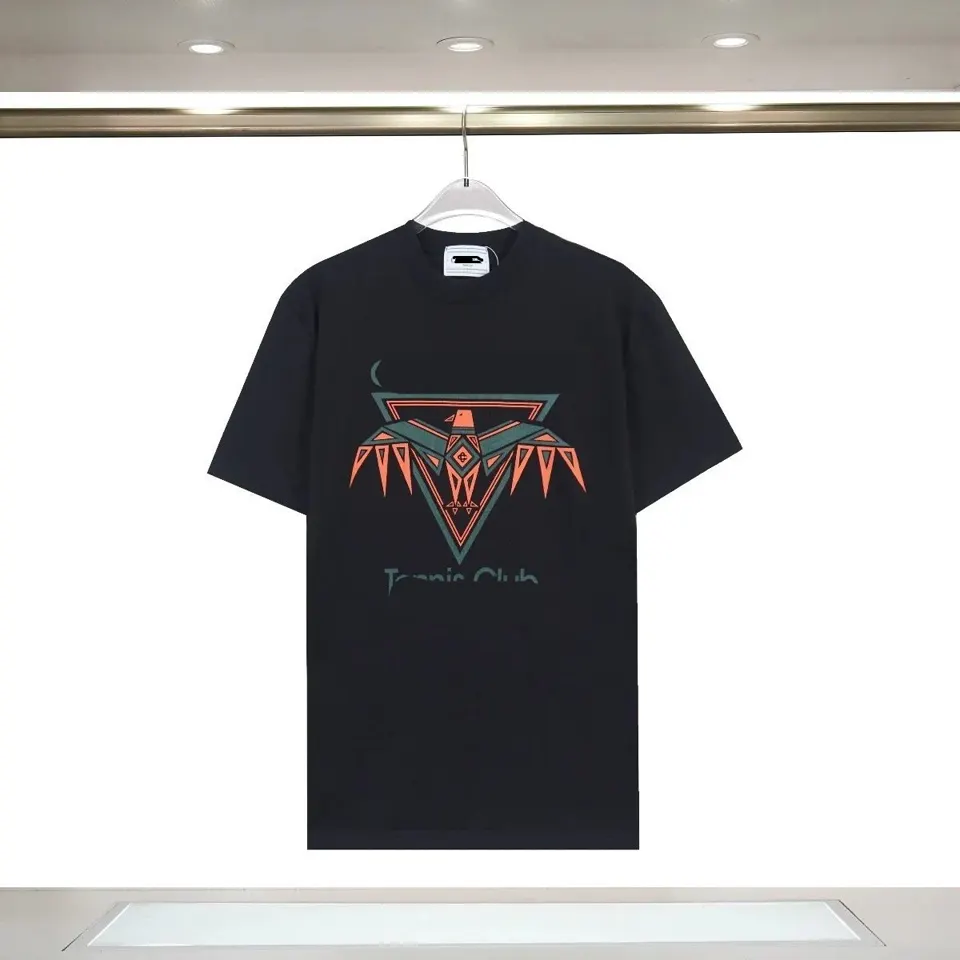
Missing QC photos: identify the missing step
Check the individual product order and its status before looking for a parcel tracking update. At Stock Arrived, inspection and storage may still be pending. At QC Completed, compare the available pictures with your saved colour, size and quantity. If a crucial photo is absent, request a specific angle or measurement through that order and keep the applicable return deadline visible. A photo request does not itself extend a deadline.
QC is a checkpoint, not a quality guarantee
Joyagoo describes warehouse quality control as a general inspection after an item arrives, with photos available in the order area. The service overview mentions checking defects and verifying sizes. That is useful, but it does not mean the warehouse can judge every buyer's standard or authenticate every product. A standard inspection can show what arrived; the buyer still decides whether the evidence is sufficient for the selected listing and intended use.
The right question is not whether the photos look good. Ask whether they prove the facts that would make you keep or return the item. A clean front image does not confirm the selected size. A label photo does not confirm measurements. A shoe photographed from above may hide sole alignment or heel damage. Turn personal concerns into a short evidence list before ordering so the inspection stage has a clear purpose.
Prepare the reference before photos arrive
Save the original seller link, the selected color and size, option screenshots, size chart, included accessories, and any detail that influenced the purchase. Marketplace images can change, and product names may be generic. Without a reference, a buyer can only decide whether the warehouse item seems attractive, not whether it matches the paid order.
A useful record is concise. Keep one folder or note per item with the order number, listing screenshot, selected variant, expected measurements, and two or three details that matter most. If a detail is not visible in the standard photo set, plan to request it. This preparation also makes a return claim more specific because the difference between expected and received can be shown rather than merely described.
Verify identity before workmanship
Start every QC review with identity: product type, color, model, size tag, quantity, and included parts. This prevents a common mistake in which a buyer spends time studying stitching on the wrong option. Compare the first warehouse image with both the order record and the seller's current page, while remembering that lighting and camera settings can shift color.
If identity is uncertain, do not infer. Request a close photo of the relevant tag, option label, code, or accessory layout. Measurements are especially important for clothing and bags when fit or capacity matters. The goal is not to collect as many photos as possible; it is to close the specific gap that blocks a decision before the deadline continues to run.
Inspect condition in a fixed order
Use the same sequence for every item: overall shape, front and back, seams or joins, hardware, surfaces, labels, accessories, and packaging. A fixed sequence reduces the chance that excitement about one good-looking angle hides an obvious problem elsewhere. For shoes, include toe shape, side profile, heel alignment, outsole, and pair consistency. For clothing, include front, back, seams, print placement, closures, and measurements when requested.
Separate cosmetic variation from functional failure. A loose thread may be easy to trim; a broken zip changes use. Minor box damage may be irrelevant if the product is unharmed; crushed structured footwear is different. The decision should reflect price, seller description, intended use, and return cost. QC works best as a risk-ranking exercise rather than a search for theoretical perfection.
Ask for decision-changing photos
An extra photo is valuable when its result can change keep versus return. Examples include a tape measurement across a garment, a close-up of a suspected stain, the opposite side of an accessory, the serial or size label, or all included pieces laid out together. A request such as “more photos please” gives the warehouse little guidance and may return evidence that still does not answer the question.
Write requests with location and purpose: photograph the left sleeve mark under neutral light; measure the insole heel-to-toe; show both zippers closed; place the missing accessory next to the product. A focused request is easier to perform and easier to compare. Ask immediately after the first review because the published return clock is tied to QC completion, not the arrival of every later photo.
Know exactly when the return clock starts
Joyagoo's published return policy gives eligible buyers five days, or 120 hours, after the order status changes to QC Completed to submit a request. That is more precise than saying “five days after I looked.” Build a reminder around the status timestamp. If you manage several warehouse items, record each deadline separately because the photos will not necessarily appear on the same day.
The return button is a practical indicator. The official policy explains that its absence can mean the returnable period has passed. Do not wait for every planned item to reach the warehouse before deciding on an earlier item. Consolidation can wait within storage; the seller's return window often cannot.
Eligibility is not automatic
The five-day policy applies subject to seller and third-party platform rules. The seller must support the return, the product normally needs to remain new and resalable, and specified packaging may need to be preserved. Categories with hygiene, customization, fragile packaging, or other special conditions can behave differently. A visible deadline is therefore necessary but not sufficient.
If return flexibility matters, evaluate it before ordering. Avoid discarding retail packaging or requesting irreversible modifications before the keep decision. When a listing or option suggests that returns may be limited, treat the order as higher risk and request stronger pre-purchase confirmation. The warehouse cannot create return rights the seller never offered.
Understand return costs and responsibility
For a stocked item with no accepted quality issue, the buyer normally pays domestic return freight. Joyagoo's policy also describes a small service fee of about USD 0.75. If an actual quality issue is confirmed, seller responsibility for shipping may apply. The final outcome depends on the seller's acceptance and the evidence supporting the issue.
Compare the likely refund with the cost and time of return. A low-cost cosmetic concern may not justify freight; a wrong size or nonfunctional part may. This is not an argument to accept bad items. It is a reason to frame the problem accurately and decide economically. The strongest request identifies the ordered option, the received condition, the exact mismatch, and the supporting photos.
Write a return request that can be acted on
State the order number and selected variant first. Then describe the issue in observable terms: the label shows size X instead of Y; the right shoe has a split at the heel; the package is missing the listed accessory; the measured chest is materially different from the seller chart. Attach the listing record and warehouse image that demonstrate the difference.
Avoid relying on emotional wording or authenticity claims the warehouse cannot verify. A factual request can be forwarded to the seller and assessed. If the issue is preference rather than a defect, say so and expect the buyer-responsibility cost rules to apply. Clear classification speeds the conversation and helps preserve the remaining hours in the window.
QC for fragile and structured goods
Fragile, rigid, or easily deformed products need inspection that connects to later packing. Check the item before deciding whether to remove its retail box. If the box is structural protection rather than decorative packaging, removing it can trade lower volume for higher damage exposure. Photograph existing damage before international packing so later evidence can distinguish warehouse condition from transit damage.
For electronics or products with restricted shipping characteristics, a clean QC photo does not prove route eligibility. Batteries, liquids, magnetic items, and other sensitive goods can reduce available lines. Keep the inspection decision separate from the shipping decision: first determine whether the received item is correct and acceptable, then confirm whether it can travel on an appropriate route.
After the parcel arrives
QC evidence should be retained until delivery. Joyagoo's receipt guidance says visible parcel damage should be inspected in front of the delivery person, documented on acceptance, or refused when appropriate. If damage is discovered later, keep the original sealed packaging and provide the invoice, photos, and other evidence within two working days. Another official notice advises contacting support within 72 hours after sign-off.
Photograph the outer parcel, label, internal protection, and damaged item before rearranging anything. Compare the delivered condition with warehouse QC images. That sequence creates a timeline: acceptable at warehouse, packed in a certain way, received with a certain external condition. Insurance or carrier compensation still depends on route terms, but disciplined evidence gives the claim something concrete to evaluate.
The compact QC decision system
Use four outcomes: keep, request evidence, exchange, or return. Keep only when identity and condition are sufficiently proven. Request evidence when one answer can change the decision. Exchange when the seller supports it and the correct replacement is worth the added time. Return when the item is wrong, materially defective, or outside the acceptable risk for its price and use.
Record the QC completion time, set a reminder before 120 hours, and finish the decision without waiting for unrelated items. The best inspection is not the longest checklist. It is the smallest set of reliable observations that leads to an informed decision while the decision is still reversible.