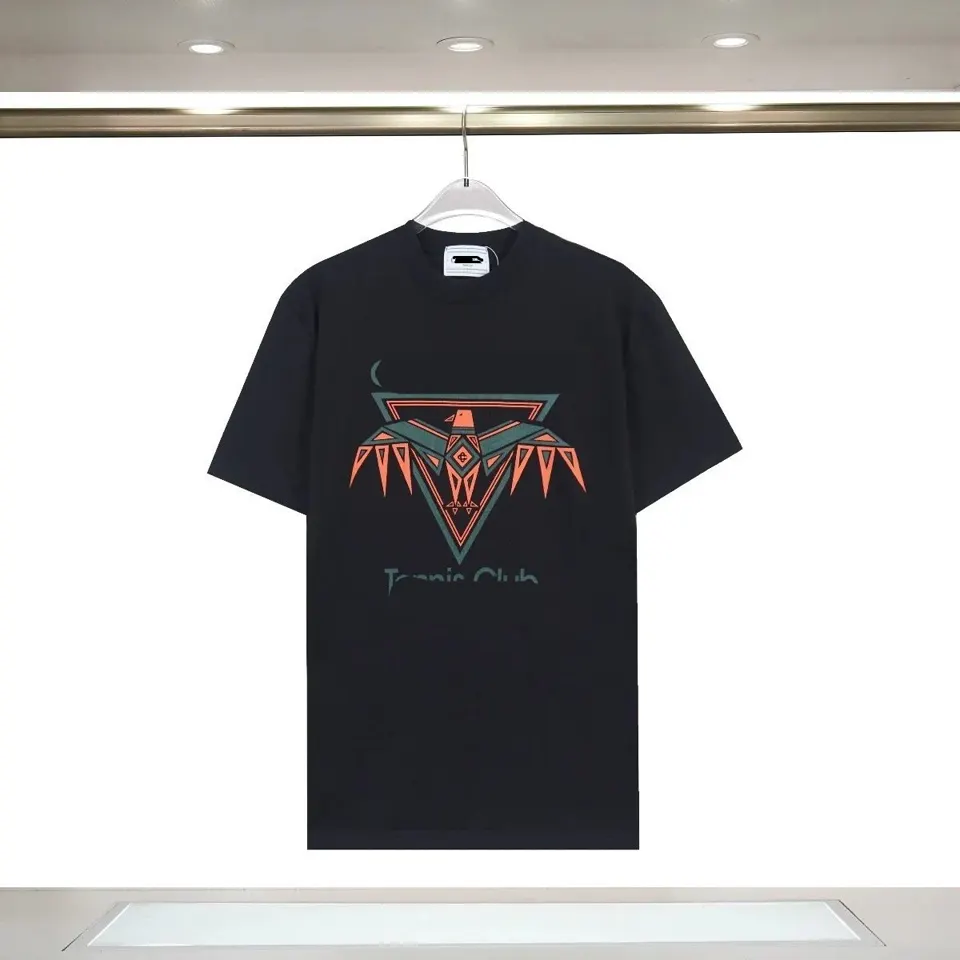
Plan QC before placing the order
Warehouse photographs are most useful when the buyer already knows what must be confirmed. If you wait until photos arrive, the original listing may have changed and the return clock may already be running. Use the spreadsheet row to start an evidence record before payment: source link, product ID, seller, option, measurements, included parts and the few visible details that would change your decision.
This does not turn QC into a guarantee. Official Joyagoo guidance describes a general quality check after warehouse arrival and makes the images available in the order area. Photographs can show identity, visible condition and selected details. They cannot prove every material, hidden function, authenticity claim or future durability. A good plan asks only questions that the available evidence can answer.
Convert the spreadsheet row into a listing baseline
A spreadsheet title and thumbnail are too small to support a return decision. Open the live destination and confirm marketplace, product ID, seller, selected colour, size or specification, quantity, price and domestic freight. Save the current size chart, important dimensions, included components and seller images tied to the selected option. Mark the date because those details can change after the order.
Separate confirmed facts from assumptions. A selected option shown in the active listing is confirmed for that moment. A spreadsheet category is a navigation label. A material inferred from a photograph is an assumption. If a required measurement or component is not stated, list it as open. This baseline will later make it obvious which QC questions remain necessary.
Define observable acceptance criteria
Write criteria in forms a warehouse image can test: correct colour label, selected size tag, complete quantity, visible dimensions within a stated tolerance, included strap, centred graphic, intact zipper or no obvious surface damage. Avoid vague requests such as good quality or looks authentic. Those phrases give the photographer no objective target and give the buyer no repeatable decision rule.
Prioritize the criteria. An identity mismatch usually matters more than a removable thread. A missing component may make the item unusable, while a minor cosmetic variation may be acceptable at the price. Set keep, request-more-evidence and return conditions in advance. Precommitting reduces the temptation to rationalize a mismatch after waiting for the item to arrive.
Submit exact options through Joyagoo
Joyagoo's Shopping Guidance says buyers select colour, size and quantity before adding an item or paying. Compare those fields with the listing baseline and do not rely on a spreadsheet row to supply them automatically. If the parsed option names differ from the source page, preserve both and resolve the mapping. A correct link with the wrong variant is still a wrong order.
The same guidance explains that the product payment includes the item and Chinese local shipping, while the seller remains central to product fulfilment. Keep the submitted order details and any purchaser communication. They show which variant was requested if the seller later reports that an option is unavailable or proposes a substitution. Never accept an undefined replacement simply to keep the order moving.
Read the order status as an evidence timeline
Order Processing, Purchased, Seller Sent, Stock Arrived and QC Completed refer to different stages. Record when meaningful changes occur. A listing baseline is created before payment; seller dispatch shows movement, not correctness; warehouse arrival confirms receipt, not condition; QC completion provides the visible evidence for review. Keeping these stages separate helps direct a question to the responsible party.
Do not wait for every item in a future parcel before reviewing one completed QC set. Official guidance says buyers should check photos promptly and places the return or exchange opportunity after QC completion, subject to seller and item conditions. The relevant clock belongs to each order's status, not to your planned consolidation date.
Review identity before workmanship
Begin with product family, selected colour, model or design, size tag, quantity and included parts. Compare them with the saved listing baseline. Only after identity matches should you inspect overall shape, symmetry, seams, hardware, print placement and visible damage. This order prevents attractive workmanship from hiding a wrong variant and prevents a correct variant from being rejected because of photographic lighting alone.
Use side-by-side evidence, but account for perspective, compression and warehouse lighting. Colour differences on two screens are not conclusive. Measurements depend on tape placement and garment positioning. If the difference would change your decision, request a more controlled photo with a precise instruction. If it would not, do not consume time collecting decorative images.
Request only decision-changing additional evidence
A focused request identifies the item, angle, feature and purpose: measure chest width flat from point to point; photograph the size tag clearly; show both sides of the zipper; place all included accessories in one frame. Joyagoo publishes a detailed-photo service for customized angles or measurements, while current public pages should be checked for the live fee and conditions. Avoid hard-coding a price into the decision.
More photos do not automatically create more certainty. A close-up can reveal a mark but cannot prove long-term performance. A label image can confirm the visible label but not every authenticity claim. Stop requesting evidence when the remaining uncertainty is outside photographic reach. At that point the buyer must accept the limitation, seek seller clarification or return the item if eligible.
Record the QC decision and feed it back carefully
Document the result as keep, request more evidence, exchange or return, with the supporting image and timestamp. A return request should identify the selected option and observable mismatch rather than offering a general statement of dissatisfaction. Preserve packaging and seller terms when eligibility depends on resalable condition. The evidence record makes a support conversation shorter and more specific.
Update the spreadsheet only with claims the case supports. You can mark that a link worked on a date, that a listed option arrived in one order, or that a product ID changed. Do not convert one QC set into a permanent seller rating, batch guarantee or authenticity badge. The strongest workflow connects discovery, live listing, submitted order and warehouse evidence while keeping each layer's limits visible.
After the decision, compare the result with the original acceptance criteria. If the evidence resolved the planned questions, the workflow worked even when the item was returned. If an important question could not be photographed, revise the next pre-order brief rather than asking for more of the same kind of image. This feedback improves future buying decisions without claiming that one sample predicts another.
Archive the listing snapshot and QC images under the order date, not in a public product row that could expose private information. The spreadsheet needs only a limited status such as link checked or option changed. Detailed order evidence belongs with the buyer's record and should be shared with support only when it is relevant.
Before parcel submission, review whether the kept item needs a specific packing note based on the category and QC result. This is a separate decision from product acceptance: a correct item can still require shape protection, moisture protection or careful grouping. Recording that handoff closes the workflow from discovery to a shipment-ready warehouse item.
Keep the workflow proportionate to value and risk. A simple low-value accessory may need only identity, quantity and visible-condition checks, while a fitted garment or multi-part item justifies measurements and completeness evidence. Applying the same extensive request to every item adds cost and delay without improving the decisions that actually matter.